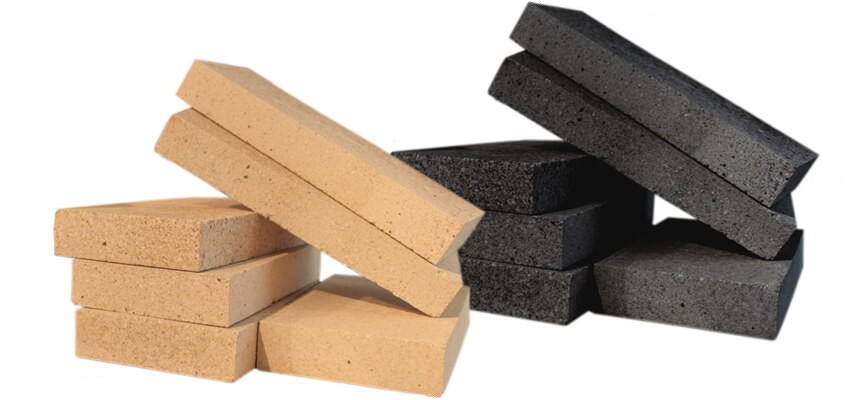
A cracked fireplace lining does not always require patching. The decision depends on the material, stability of the element, and the rules provided for the specific insert. A surface crack and a crumbling plate are two different problems, even if they look similar from a distance.
What to check after the fireplace has cooled
Check whether the element remains in its mounting and whether it does not expose the structure behind the lining. Also, inspect the adjacent joints. Note whether the damage is increasing and whether it has already been repaired. A close-up photo and a photo of the entire firebox will help a technician assess the location of the defect.
Do not assume that a narrow crack is always permissible. The insert's instructions specify the criteria for its lining. A loose fragment, crumbling, and exposed structure require evaluation before further burning.
Three possible courses of action
- Inspection and observation: only when the instructions allow a given type of crack and the element is stable.
- Part replacement: when the lining has lost its shape, is crumbling, or the manufacturer requires a new element.
- Repair with a suitable compound: when a specific defect and its substrate are allowed for such action.
Fireclay brick and vermiculite board have different properties. A substitute cannot be chosen solely based on dimensions, nor should the material be changed without checking the insert manufacturer's requirements. Support and the ability to expand when heating are also important.
When will cement be inappropriate?
BLACK Fire Cement can be used for small repairs in the intended applications, but it will not restore the strength of a crumbling board. It should not block a place that is structurally supposed to remain movable. A recurring crack requires diagnosis before applying new compound.
After the approved repair, maintain the required drying time and the initial heating procedure. Then check the lining after it has cooled. If you cannot determine the extent of the damage, provide the service center with the model of the insert and the photos taken before igniting. This allows a solution to be selected for the appliance, rather than relying on random advice from the internet.